
Comparison Article
Creatine Monohydrate
vs Creatine HCL
By SuppFindr Editorial · Updated February 8, 2026
Creatine is one of the most researched and effective supplements for building strength and muscle mass. But which form should you choose? In this comprehensive comparison, we analyze Creatine Monohydrate versus Creatine HCL across value, potency, and convenience metrics using data from hundreds of products.
How we compare data
We organize value (cost per unit of active), potency (amount per serving), and convenience (pills per serving) so you can compare like with like. This article focuses on products matched on serving size where that matters for a fair read. Numbers are factual inputs—not a single “best for everyone” ranking; your goals and clinician still come first.
Optimum Nutrition
Brand
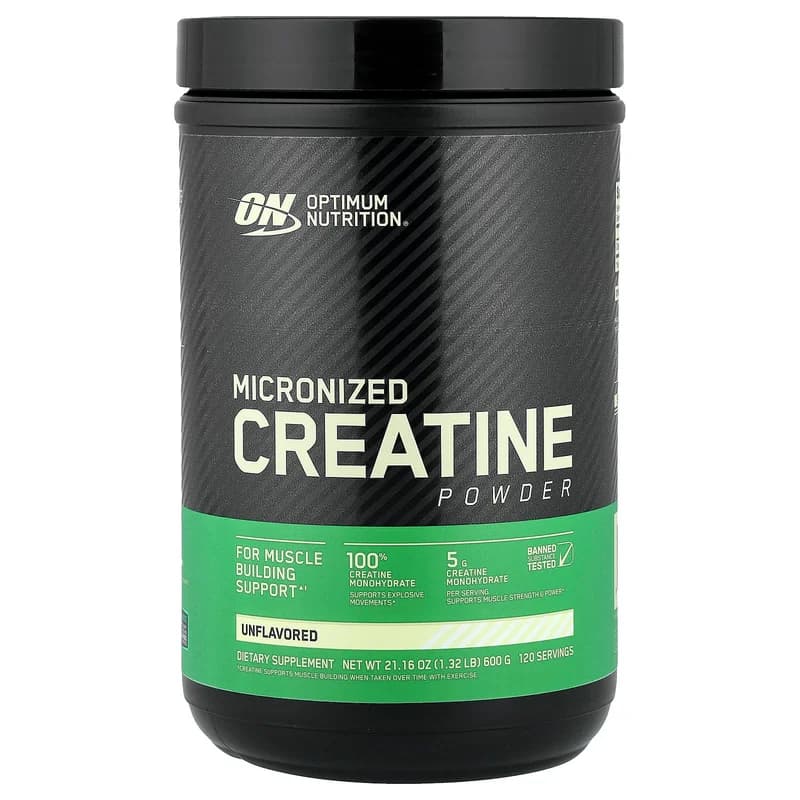
Optimum Nutrition, Micronized Creatine Powder, Unflavored, 1.32 lb (600 g)

MuscleTech
Brand
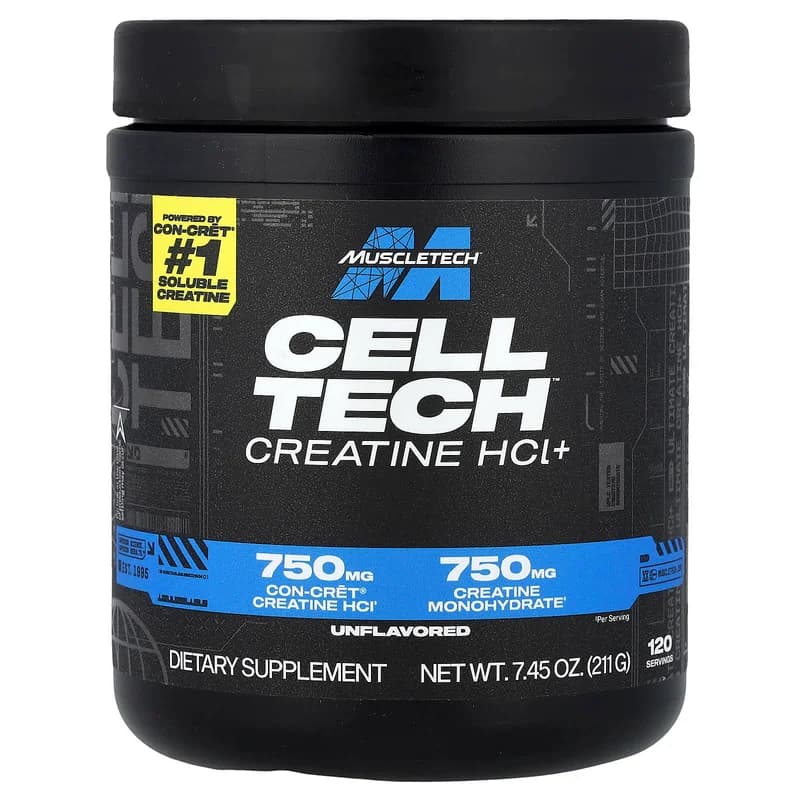
MuscleTech, Cell Tech™ Creatine HCL+, Unflavored, 7.45 oz (211 g)
Detailed Clinical Comparison
| Scientific Metric | Creatine Monohydrate | Creatine HCL |
|---|---|---|
Bottle Price | $31.66 | $24.99 |
Price per Serving | $0.26 | $0.21 |
Price per Active | $0.0001 | $0.0278 |
Potency per Dose | 5 G | 750 MG |
Pills per Dose | 1 Scoop | 1 Scoop |
Total Servings | 120 | 120 |
Customer Rating | 4.7/5 | 4.7/5 |
Review Count | 10,421 | 1,071 |
Product Form | powder | powder |
* Metrics are extracted from official manufacturer labels and standardized for direct comparison. Winning values are highlighted in emerald.
Quick Verdict
Based on our analysis, Creatine Monohydrate wins for most users. The research backing is overwhelming, the cost-per-serving is dramatically lower, and the efficacy is proven. HCL may be worth considering if you experience digestive issues with monohydrate or prefer smaller doses.
Updated October 2026
Understanding the Options
Creatine Monohydrate
Creatine Monohydrate is the original and most studied form of creatine. It consists of creatine bound to a water molecule, making it highly stable and well-absorbed. Decades of research support its safety and effectiveness for increasing strength, power output, and muscle mass.
Creatine HCL
Creatine HCL (Hydrochloride) is creatine bound to hydrochloric acid. This newer form was developed to improve solubility and reduce the amount needed per dose. Manufacturers claim it absorbs faster and causes less bloating than monohydrate.
Key Differences
The key differences between these forms lie in solubility, dosing, and price. Monohydrate requires a 5g daily dose and may cause initial water retention. HCL is more soluble, requiring only 1-2g per dose, but costs significantly more per gram of creatine.
Pros / Cons
Creatine Monohydrate
Pros
- Extensively researched (300+ studies)
- Significantly cheaper per serving
- Proven effective for strength and muscle
- No loading phase required
- Safe for long-term use
Cons
- May cause initial water retention
- Requires larger daily dose (5g)
- Less soluble in water
Creatine HCL
Pros
- Higher solubility
- Smaller dose required (1-2g)
- Less bloating reported
- No loading phase
Cons
- Limited research compared to monohydrate
- Significantly more expensive
- Efficacy not clearly superior